
- How Blue Light Impacts Your Sleep Quality
- Comparing Whey and Plant-Based Protein: Which is Best?
- How Long Does Nicotine Remain in Your System?
- The Best Time of Day to Drink Bone Broth to Maximize Health Benefits
- 8 Ways to Increase Dopamine Naturally
- 7 Best Breads for Maintaining Stable Blood Sugar
- Gelatin vs. Collagen: Which is Best for Skin, Nails, and Joints?
- The Long-Term Effects of Daily Turmeric Supplements on Liver Health
- Could Your Grocery Store Meat Be Causing Recurring UTIs?
- Are You Making This Expensive Thermostat Error This Winter?
For Kids With Kidney Disease, Race May Play Role in Outcomes
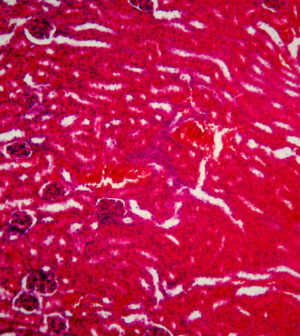
Black children are about one-third more likely to die from kidney failure than white children, and access to kidney transplants may be a crucial factor explaining the discrepancy, a new study suggests.
Dr. Elaine Ku, of the University of California, San Francisco, and colleagues tracked the health of more than 12,000 black, Hispanic and white children who had chronic kidney failure. All had been treated for kidney disease with either dialysis or transplants between 1995 and 2011.
The investigators followed the kids’ health until 2012 for a median of 7 years.
Over the follow-up period, 1,600 of the children died. Black children were 36 percent more likely than white children to die, the findings showed.
The researchers said that they believe this difference mostly has to do with limited access to kidney transplants.
However, Hispanic children were less likely to die than white children even though they also had less access to transplants, the study authors noted.
“We believe it is critically important to understand differences in transplantation and death by race so that changes can be made to either the allocation of donated organs or current practices in the treatment of kidney disease in children to eliminate the differences that we observed,” Ku said in a news release from the American Society of Nephrology.
The study was published online Dec. 29 in the Journal of the American Society of Nephrology.
More information
For more about kidney transplants, visit the National Kidney Foundation.
Source: HealthDay
Copyright © 2026 HealthDay. All rights reserved.
Related
-
 Navigating Your Midlife Crisis: Embracing New Possibilities
A midlife crisis can open doors to personal growth...
- December 4, 2025
-
 Want A Happier Hospital? Hire More Nurses, Study Says
Adding even a few extra nurses can dramatically reduce...
- November 20, 2025
-
 Plasma Treatment Shows Promise For Menopause Symptoms Among Breast Cancer Survivors
Plasma infusions may help breast cancer survivors avoid genital...
- November 20, 2025
-
 Self-Hypnosis Can Thwart Hot Flashes
Self-hypnosis might help some women in menopause find relief...
- November 14, 2025