
- How Blue Light Impacts Your Sleep Quality
- Comparing Whey and Plant-Based Protein: Which is Best?
- How Long Does Nicotine Remain in Your System?
- The Best Time of Day to Drink Bone Broth to Maximize Health Benefits
- 8 Ways to Increase Dopamine Naturally
- 7 Best Breads for Maintaining Stable Blood Sugar
- Gelatin vs. Collagen: Which is Best for Skin, Nails, and Joints?
- The Long-Term Effects of Daily Turmeric Supplements on Liver Health
- Could Your Grocery Store Meat Be Causing Recurring UTIs?
- Are You Making This Expensive Thermostat Error This Winter?
How to Take Action Against Acne
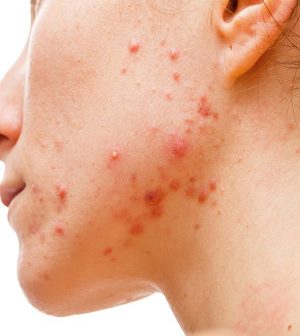
Waiting for acne to clear up on its own can be frustrating, especially for teens who are already self-conscious about their appearance.
Untreated acne can cause low self-esteem and anxiety as well as permanent facial scars. Ignoring it or assuming kids will outgrow it can harm them physically and emotionally. Acne can also continue into the adult years, and be especially problematic for women.
Mild cases with just a few blemishes or blackheads may respond in a month or two to over-the-counter drugstore products with ingredients such as benzoyl peroxide or salicylic acid. These are designed to unblock pores and encourage cell turnover.
But deep pimples and inflamed pustules need the strength of prescription products and the know-how of a dermatologist.
Most prescriptions are topical. That means they’re applied to the skin, typically to kill bacteria and/or reduce oil. Often in gel form, they may contain a retinoid (a vitamin A-based ingredient), prescription-strength benzoyl peroxide, or antibiotics. There are many effective combinations that your dermatologist can recommend. If one doesn’t work, another might.
Severe acne, with cysts and nodules, often needs medication in pill form, from antibiotics to the most powerful vitamin A drug called isotretinoin. According to the American Academy of Dermatology, one 4- or 5-month course of isotretinoin brings about clear skin in 85 percent of patients. However, it can have serious side effects, primarily birth defects, so it’s essential that people taking it don’t become pregnant (or even breast-feed) while on it.
There are also many office procedures that may help, such as lasers and other light therapies; chemical peels; and extractions, which remove stubborn cysts and help prevent scarring.
With so many options, there’s no reason to suffer through this skin condition.
More information
The American Academy of Dermatology has a section on acne on its website, including the latest treatments.
Source: HealthDay
Copyright © 2026 HealthDay. All rights reserved.
Related
-
 Navigating Your Midlife Crisis: Embracing New Possibilities
A midlife crisis can open doors to personal growth...
- December 4, 2025
-
 Want A Happier Hospital? Hire More Nurses, Study Says
Adding even a few extra nurses can dramatically reduce...
- November 20, 2025
-
 Plasma Treatment Shows Promise For Menopause Symptoms Among Breast Cancer Survivors
Plasma infusions may help breast cancer survivors avoid genital...
- November 20, 2025
-
 Self-Hypnosis Can Thwart Hot Flashes
Self-hypnosis might help some women in menopause find relief...
- November 14, 2025






