
- How Blue Light Impacts Your Sleep Quality
- Comparing Whey and Plant-Based Protein: Which is Best?
- How Long Does Nicotine Remain in Your System?
- The Best Time of Day to Drink Bone Broth to Maximize Health Benefits
- 8 Ways to Increase Dopamine Naturally
- 7 Best Breads for Maintaining Stable Blood Sugar
- Gelatin vs. Collagen: Which is Best for Skin, Nails, and Joints?
- The Long-Term Effects of Daily Turmeric Supplements on Liver Health
- Could Your Grocery Store Meat Be Causing Recurring UTIs?
- Are You Making This Expensive Thermostat Error This Winter?
-
 Health Insurance Penalty Delayed as Federal Exchange Comes Under Fire
Lawmakers demand answers on HealthCare.gov foul-up
- Posted October 24, 2013
-
 What Puts That Individual Stamp on Your Face?
Scientists identify specific gene enhancers in their work with mice
- Posted October 24, 2013
-
 Study: Coffee Might Lower Risk of Liver Cancer
Review suggests it was associated with a 40 percent drop in risk of most common form of disease
- Posted October 24, 2013
-
 Early Periods May Signal Greater Diabetes Risk, Study Suggests
Obesity alone doesn't explain the findings, researchers say
- Posted October 24, 2013
-
 What Puts That Individual Stamp on Your Face?
Scientists identify specific gene enhancers in their work with mice
- Posted October 24, 2013
-
 Study: Coffee Might Lower Risk of Liver Cancer
Review suggests it was associated with a 40 percent drop in risk of most common form of disease
- Posted October 24, 2013
-
 Early Periods May Signal Greater Diabetes Risk, Study Suggests
Obesity alone doesn't explain the findings, researchers say
- Posted October 24, 2013
-
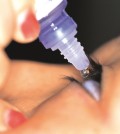 Halloween Contact Lenses Can Be Horror Story for Eyes
FDA experts say users risk corneal scratches, even blindness from these products
- Posted October 24, 2013
-
 Some Improvement Seen in U.S. Cholesterol Levels: CDC
However, total cholesterol remains too high and screening rates too low, experts say
- Posted October 24, 2013
-
 Stem Cell Transplants May Harm Recipient’s Sex Life
Doctors and patients need to talk more about this potential problem, researchers say
- Posted October 24, 2013
Related
-
 Navigating Your Midlife Crisis: Embracing New Possibilities
A midlife crisis can open doors to personal growth...
- December 4, 2025
-
 Want A Happier Hospital? Hire More Nurses, Study Says
Adding even a few extra nurses can dramatically reduce...
- November 20, 2025
-
 Plasma Treatment Shows Promise For Menopause Symptoms Among Breast Cancer Survivors
Plasma infusions may help breast cancer survivors avoid genital...
- November 20, 2025
-
 Self-Hypnosis Can Thwart Hot Flashes
Self-hypnosis might help some women in menopause find relief...
- November 14, 2025





