
- How Blue Light Impacts Your Sleep Quality
- Comparing Whey and Plant-Based Protein: Which is Best?
- How Long Does Nicotine Remain in Your System?
- The Best Time of Day to Drink Bone Broth to Maximize Health Benefits
- 8 Ways to Increase Dopamine Naturally
- 7 Best Breads for Maintaining Stable Blood Sugar
- Gelatin vs. Collagen: Which is Best for Skin, Nails, and Joints?
- The Long-Term Effects of Daily Turmeric Supplements on Liver Health
- Could Your Grocery Store Meat Be Causing Recurring UTIs?
- Are You Making This Expensive Thermostat Error This Winter?
Play to Win When It Comes to Kids and Sports Pain
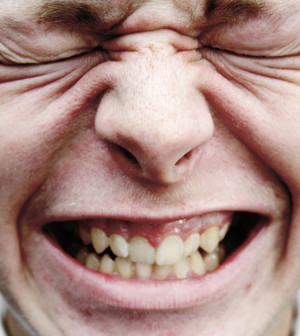
Pain can be a problem for young athletes, so it’s important for parents to know how to deal with it, a pain specialist says.
“Now that kids are back in school and fall sports are well underway, there are many things parents can do to help their children avoid getting hurt while still enjoying sports,” said Dr. Anita Gupta. She is a member of the American Society of Anesthesiologists’ Committee on Pain Medicine.
“And, if they do get injured, it’s also important to address the pain effectively,” Gupta said in a society news release.
If a child complains of pain after sports, don’t ignore it. If the problem seems minor — such as a sore muscle — try ice and rest for a day or two.
If the pain doesn’t get better or is more serious, see a doctor who specializes in pain medicine, Gupta recommended.
If possible, avoid the use of powerful prescription opioid painkillers, she said. It’s best to start with so-called RICE therapy (Rest, Ice, Compression and Elevation) and nonsteroidal anti-inflammatory drugs, such as aspirin or ibuprofen (Advil, Motrin), she added.
The most effective way to treat pain is by combining various treatments, according to Gupta.
The combination therapy can include: physical therapy to increase range of motion and strengthen muscles; compression braces to support the injured joint and reduce swelling; interventional procedures such as nerve blocks; medications such as anti-inflammatories to reduce swelling; and alternative therapies such as biofeedback, massage and acupuncture.
Gupta also said try to avoid injuries in the first place. It’s important that your child has the right equipment, she said. Children should also be taught the proper techniques in each sport, and they should stretch to warm up their muscles, she added.
More information
For more on sports injuries, go to the U.S. National Institute of Arthritis and Musculoskeletal and Skin Diseases.
Source: HealthDay
Copyright © 2026 HealthDay. All rights reserved.
Related
-
 Navigating Your Midlife Crisis: Embracing New Possibilities
A midlife crisis can open doors to personal growth...
- December 4, 2025
-
 Want A Happier Hospital? Hire More Nurses, Study Says
Adding even a few extra nurses can dramatically reduce...
- November 20, 2025
-
 Plasma Treatment Shows Promise For Menopause Symptoms Among Breast Cancer Survivors
Plasma infusions may help breast cancer survivors avoid genital...
- November 20, 2025
-
 Self-Hypnosis Can Thwart Hot Flashes
Self-hypnosis might help some women in menopause find relief...
- November 14, 2025






