
- How Blue Light Impacts Your Sleep Quality
- Comparing Whey and Plant-Based Protein: Which is Best?
- How Long Does Nicotine Remain in Your System?
- The Best Time of Day to Drink Bone Broth to Maximize Health Benefits
- 8 Ways to Increase Dopamine Naturally
- 7 Best Breads for Maintaining Stable Blood Sugar
- Gelatin vs. Collagen: Which is Best for Skin, Nails, and Joints?
- The Long-Term Effects of Daily Turmeric Supplements on Liver Health
- Could Your Grocery Store Meat Be Causing Recurring UTIs?
- Are You Making This Expensive Thermostat Error This Winter?
Are you on a warewolf sleep cycle?
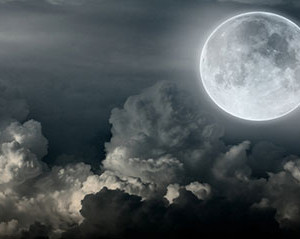
A full moon may not bring out the werewolves, as folklore has it, but it may bring out the insomniacs.
According to a small, new study, people who complain about poor sleep when a fully illuminated moon fills the nighttime sky may be onto something.
Researchers asked 33 volunteers to sleep in a lab so they could monitor their brain patterns, eye movements and hormone secretions.
The data showed that around the full moon, brain activity related to deep sleep dropped 30 percent.
People took five minutes longer to fall asleep and they slept 20 minutes less time overall.
Participants said they didn’t just feel rested with the full moon rising… and their bodies showed it, producing lower levels of melatonin, a hormone that helps regular sleep-wake cycles.
The researchers say they’d like to look further into how the lunar rhythm may affect us…to see if it has any power over our moods or cognitive performance.
I’m Dr. Cindy Haines of HealthDay TV… with the latest breakthroughs from the world of medicine.
Related
-
 Navigating Your Midlife Crisis: Embracing New Possibilities
A midlife crisis can open doors to personal growth...
- December 4, 2025
-
 Want A Happier Hospital? Hire More Nurses, Study Says
Adding even a few extra nurses can dramatically reduce...
- November 20, 2025
-
 Plasma Treatment Shows Promise For Menopause Symptoms Among Breast Cancer Survivors
Plasma infusions may help breast cancer survivors avoid genital...
- November 20, 2025
-
 Self-Hypnosis Can Thwart Hot Flashes
Self-hypnosis might help some women in menopause find relief...
- November 14, 2025






