
- How Blue Light Impacts Your Sleep Quality
- Comparing Whey and Plant-Based Protein: Which is Best?
- How Long Does Nicotine Remain in Your System?
- The Best Time of Day to Drink Bone Broth to Maximize Health Benefits
- 8 Ways to Increase Dopamine Naturally
- 7 Best Breads for Maintaining Stable Blood Sugar
- Gelatin vs. Collagen: Which is Best for Skin, Nails, and Joints?
- The Long-Term Effects of Daily Turmeric Supplements on Liver Health
- Could Your Grocery Store Meat Be Causing Recurring UTIs?
- Are You Making This Expensive Thermostat Error This Winter?
Safe Treatments Available for Expectant Moms’ Skin Conditions
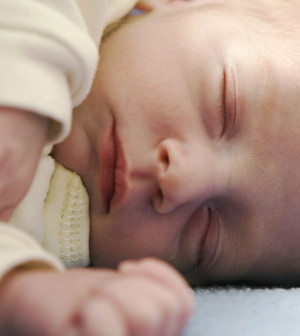
There are a number of safe and effective ways to treat chronic skin conditions in pregnant women, a dermatologist says.
“If there is a way to manage your skin condition without medication during pregnancy, that is the preferred option,” said Dr. Jenny Eileen Murase, an assistant clinical professor of dermatology at the University of California, San Francisco.
“If you have a condition that does require medication, however, a board-certified dermatologist can help you identify a treatment that’s safe for both you and your baby,” she added in an American Academy of Dermatology news release. The release was timed to coincide with the academy’s annual meeting, which starts Friday in Washington, D.C.
Eczema is the most common rash dermatologists see in pregnancy, Murase said. “Expectant mothers often see their existing eczema get worse or have a flare for the first time in many years,” she said.
Topical corticosteroids can be used to treat eczema in pregnant women with eczema. Mild or moderate steroids are preferred to the stronger types. Stronger creams should only be used for a short time if initial treatment is unsuccessful, she noted.
Diluting topical corticosteroids with a moisturizer helps heal skin and reduces the amount of medication needed, Murase said.
Psoriasis is another condition that can flare during pregnancy, she explained.
Systemic medications — oral or injectable drugs — shouldn’t be used during pregnancy, unless there is a clear medical need. Preferred options include topical treatments such as moisturizers, emollients and low-to-moderate-dose corticosteroids. Breast-feeding mothers should avoid applying strong topical corticosteroids to the nipple area so that they don’t pass the drug to their baby, according to Murase.
If pregnant women require additional treatment for psoriasis, narrowband ultraviolet B or ultraviolet B phototherapy can be used. However, Psoralen with ultraviolet A (known as PUVA) should be avoided, because psoralen may enter breast milk and cause light sensitivity in babies, Murase said.
Several treatments can be used for acne in pregnant women. A good option is topical benzoyl peroxide. It’s safe and widely available. It can also be used with the topical antibiotic clindamyacin, she said.
Moderate and severe acne can be treated with antibiotics and topical therapy. Cephalosporin antibiotics are the best option, she said. Erythromycin and azithromycin (Zithromax) may also be acceptable. But pregnant women shouldn’t use tetracycline antibiotics, Murase said.
More information
The American College of Obstetricians and Gynecologists has more about skin conditions during pregnancy.
Source: HealthDay
Copyright © 2026 HealthDay. All rights reserved.
Related
-
 Navigating Your Midlife Crisis: Embracing New Possibilities
A midlife crisis can open doors to personal growth...
- December 4, 2025
-
 Want A Happier Hospital? Hire More Nurses, Study Says
Adding even a few extra nurses can dramatically reduce...
- November 20, 2025
-
 Plasma Treatment Shows Promise For Menopause Symptoms Among Breast Cancer Survivors
Plasma infusions may help breast cancer survivors avoid genital...
- November 20, 2025
-
 Self-Hypnosis Can Thwart Hot Flashes
Self-hypnosis might help some women in menopause find relief...
- November 14, 2025






