
- How Blue Light Impacts Your Sleep Quality
- Comparing Whey and Plant-Based Protein: Which is Best?
- How Long Does Nicotine Remain in Your System?
- The Best Time of Day to Drink Bone Broth to Maximize Health Benefits
- 8 Ways to Increase Dopamine Naturally
- 7 Best Breads for Maintaining Stable Blood Sugar
- Gelatin vs. Collagen: Which is Best for Skin, Nails, and Joints?
- The Long-Term Effects of Daily Turmeric Supplements on Liver Health
- Could Your Grocery Store Meat Be Causing Recurring UTIs?
- Are You Making This Expensive Thermostat Error This Winter?
Do You Need a Doctor for Bug Bites and Bee Stings?
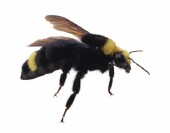
Summer is fast approaching, along with its usual bonanza of bugs. Fortunately, most of those inevitable bites and stings aren’t serious.
But, experts from the American Academy of Dermatology advise going to the emergency room right away if you notice any of the following symptoms soon after a bug bite or sting:
- Difficulty breathing,
- The feeling that your throat is closing,
- Swelling of lips, tongue or face,
- Chest pain,
- A racing heartbeat for more than a few minutes,
- Dizziness or headache,
- Vomiting.
Also beware of a red rash that looks like a donut or bullseye target after a tick bite, or a fever with a spreading red or black spotty rash. These can be signs of serious tick-related illness.
“Although most bug bites and stings do not turn into a severe or even fatal illness like Rocky Mountain spotted fever, it’s important to pay attention to your symptoms,” Dr. Margaret Parsons, an associate clinical professor of dermatology at the University of California, Davis, said in an academy news release.
Parsons added that if you feel tired all the time, have a headache, fever or body aches, or you develop a rash after a bug bite, see your doctor.
However, home care is fine for most bites and stings, according to Parsons.
In general, bites and stings “can be safely treated at home with topical medication, such as hydrocortisone cream or ointment, or an oral antihistamine to reduce the itch,” said Parsons.
More information
The U.S. Centers for Disease Control and Prevention offers more on preventing bites and stings.
Source: HealthDay
Copyright © 2026 HealthDay. All rights reserved.
Related
-
 Navigating Your Midlife Crisis: Embracing New Possibilities
A midlife crisis can open doors to personal growth...
- December 4, 2025
-
 Want A Happier Hospital? Hire More Nurses, Study Says
Adding even a few extra nurses can dramatically reduce...
- November 20, 2025
-
 Plasma Treatment Shows Promise For Menopause Symptoms Among Breast Cancer Survivors
Plasma infusions may help breast cancer survivors avoid genital...
- November 20, 2025
-
 Self-Hypnosis Can Thwart Hot Flashes
Self-hypnosis might help some women in menopause find relief...
- November 14, 2025






