
- How Blue Light Impacts Your Sleep Quality
- Comparing Whey and Plant-Based Protein: Which is Best?
- How Long Does Nicotine Remain in Your System?
- The Best Time of Day to Drink Bone Broth to Maximize Health Benefits
- 8 Ways to Increase Dopamine Naturally
- 7 Best Breads for Maintaining Stable Blood Sugar
- Gelatin vs. Collagen: Which is Best for Skin, Nails, and Joints?
- The Long-Term Effects of Daily Turmeric Supplements on Liver Health
- Could Your Grocery Store Meat Be Causing Recurring UTIs?
- Are You Making This Expensive Thermostat Error This Winter?
Straight Talk About Poison Ivy

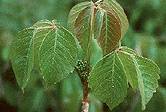
Reports that poison ivy has gotten bigger, stronger or more prevalent are misleading, one dermatologist says.
“I think people are just out more, and so they’re coming into contact with it more,” Dr. David Adams, a dermatologist at Penn State Hershey Hospital, said in a hospital news release.
Up to 75 percent of people will develop the itchy red rash if exposed to the urushiol oil inside the plant’s leaves, stem and roots.
The idea that you can get the rash by just brushing against the leaves of a poison ivy plant is a common misconception, Adams noted. “You have to actually break the leaves, stem or root to get the urushiol oil on you,” he said. Poison ivy is also not usually passed from one person to another.
Mild cases can often be treated with over-the-counter cortisone cream or calamine lotion, but more serious reactions may need prescription creams or a two-to-three-week round of oral steroids.
Adams said a six-day treatment often prescribed may not be enough. “It always seems to rebound after that, so it seems that isn’t long enough,” he said.
Adams said he encounters cases even during the winter. “What happens is that people buy a live Christmas tree, and there are dead vines on it that they rip off, not knowing what they are,” Adams explained. “The urushiol oil inside is still viable.”
The oil can linger on inanimate objects for a long time. Adams advised people to wash their clothes and clean gardening tools thoroughly after use.
Burning debris and yard trimmings can also make the oil present in the air. People who breathe it in can develop a reaction on their face, causing it to swell and itch. “The most common method, though, is that someone is pulling out weeds and then they rub an eyelid or something,” Adams noted.
Poison ivy may not show up right away. The rash and irritation typically develop within seven to 10 days. Those who have had poison ivy before may experience symptoms even sooner.
The best way to avoid the misery, Adams advised, is to avoid the plant and its oil and mind the old saying: “Leaves of three, let it be.”
More information
The U.S. National Library of Medicine provides more information on poison ivy.
Source: HealthDay
Copyright © 2026 HealthDay. All rights reserved.
Related
-
 Navigating Your Midlife Crisis: Embracing New Possibilities
A midlife crisis can open doors to personal growth...
- December 4, 2025
-
 Want A Happier Hospital? Hire More Nurses, Study Says
Adding even a few extra nurses can dramatically reduce...
- November 20, 2025
-
 Plasma Treatment Shows Promise For Menopause Symptoms Among Breast Cancer Survivors
Plasma infusions may help breast cancer survivors avoid genital...
- November 20, 2025
-
 Self-Hypnosis Can Thwart Hot Flashes
Self-hypnosis might help some women in menopause find relief...
- November 14, 2025






