
- How Blue Light Impacts Your Sleep Quality
- Comparing Whey and Plant-Based Protein: Which is Best?
- How Long Does Nicotine Remain in Your System?
- The Best Time of Day to Drink Bone Broth to Maximize Health Benefits
- 8 Ways to Increase Dopamine Naturally
- 7 Best Breads for Maintaining Stable Blood Sugar
- Gelatin vs. Collagen: Which is Best for Skin, Nails, and Joints?
- The Long-Term Effects of Daily Turmeric Supplements on Liver Health
- Could Your Grocery Store Meat Be Causing Recurring UTIs?
- Are You Making This Expensive Thermostat Error This Winter?
Blood Thinners OK for Cancers That Spread to Brain, Study Finds

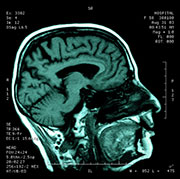
Blood-thinning drugs are safe for treating blood clots in patients with cancer that has spread to the brain from other areas of the body, according to new research.
Cancer normally increases a person’s risk of blood clots, the study authors explained in a news release from the American Society of Hematology. When a cancer patient develops a clot, a blood thinner — also called an anticoagulant — is often added to the cancer treatment regimen to prevent the risk of blood clots traveling to the lungs. Such a clot can be fatal.
However, if cancer spreads from other parts of the body to the brain (called brain metastases), doctors are hesitant to prescribe blood thinners because of concern they might cause bleeding in the head, which is already a risk for these patients, the study authors added.
The new findings show that the use of blood thinners in these patients is safe, the researchers said.
“While it is a very common clinical scenario to treat a patient with a metastatic brain tumor who also develops a blood clot, before this study there was very little data to inform the difficult decision of whether or not to anticoagulate these patients,” senior author Dr. Jeffrey Zwicker, of Beth Israel Deaconess Medical Center and Harvard Medical School in Boston, said in the news release.
“Our findings, which demonstrate that current practice is safe, should reassure physicians that anticoagulants can be safely administered to patients with brain metastases and a history of blood clots,” he added.
The study included almost 300 patients with brain metastases and blood clots. The patients were randomly selected to take a blood thinner called enoxaparin (Lovenox) or to take no blood thinners. Just over 100 people took the blood thinner, according to the researchers.
After 12 months, the incidence of bleeding in the head was 44 percent for people taking the blood thinner. In those who didn’t take the drug, 37 percent experienced bleeding in the head. This was not a statistically significant difference, the researchers said.
The investigators found a high bleeding rate among all of the study patients — between 20 percent and 50 percent. The researchers said this shows that bleeding in this group of patients is more common than previously thought.
The study was published online recently in the journal Blood.
More information
The U.S. Agency for Healthcare Research and Quality has more about blood thinners.
Source: HealthDay
Copyright © 2026 HealthDay. All rights reserved.
Related
-
 Navigating Your Midlife Crisis: Embracing New Possibilities
A midlife crisis can open doors to personal growth...
- December 4, 2025
-
 Want A Happier Hospital? Hire More Nurses, Study Says
Adding even a few extra nurses can dramatically reduce...
- November 20, 2025
-
 Plasma Treatment Shows Promise For Menopause Symptoms Among Breast Cancer Survivors
Plasma infusions may help breast cancer survivors avoid genital...
- November 20, 2025
-
 Self-Hypnosis Can Thwart Hot Flashes
Self-hypnosis might help some women in menopause find relief...
- November 14, 2025