
- How Blue Light Impacts Your Sleep Quality
- Comparing Whey and Plant-Based Protein: Which is Best?
- How Long Does Nicotine Remain in Your System?
- The Best Time of Day to Drink Bone Broth to Maximize Health Benefits
- 8 Ways to Increase Dopamine Naturally
- 7 Best Breads for Maintaining Stable Blood Sugar
- Gelatin vs. Collagen: Which is Best for Skin, Nails, and Joints?
- The Long-Term Effects of Daily Turmeric Supplements on Liver Health
- Could Your Grocery Store Meat Be Causing Recurring UTIs?
- Are You Making This Expensive Thermostat Error This Winter?
To Sway Anti-Vaccine Beliefs, Focus on Consequences: Study

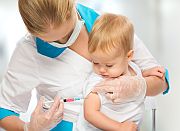
Highlighting what might happen if children aren’t vaccinated can change the thinking of some people who oppose vaccines, a new study suggests.
Many people with anti-vaccine views focus on the perceived risks of vaccines, the researchers noted.
“Perhaps we need to direct people’s attention to the other aspect of the decision. You may be focused on the risk of getting the shot. But there’s also the risk of not getting the shot. You or your child could get measles,” University of Illinois graduate student Zachary Horne said in a university news release.
He and his colleagues asked 315 people their views about vaccines and their willingness to vaccinate their children. Then they randomly divided them into three groups.
One group received material challenging the anti-vaccination point of view, and another group got reading material and photographs about the risks associated with measles, mumps and rubella in children. The third group read about something other than vaccines.
All three groups then completed another survey about vaccination.
“We found that directing people’s attention to the risks posed by not getting vaccinated, like getting measles, mumps and rubella and the complications associated with those diseases, changed people’s attitudes positively towards vaccination — and that was for even the most skeptical participants in the study. Actually, the largest effect sizes were for people who were the most skeptical,” Horne said.
Noting that the skeptics are the people with the greatest amount of room to move, Horne said that finding wasn’t a complete surprise. “But it’s also extremely important, because those are precisely the people you want to move. That’s the kind of result we were really looking for,” he said.
The study was published Aug. 3 in the journal Proceedings of the National Academy of Sciences.
One reason why focusing on the threat posed to unvaccinated children is successful is because it targets parents’ primary concern, the well-being of their children, the researchers said.
“People who fear vaccines ultimately do care about the safety of their children, so our manipulation focuses on the safety of their children. So there’s not just one calculation in your decision whether to get a vaccination, but now there are two,” Horne said.
More information
The American Academy of Family Physicians has more about childhood vaccines.
Source: HealthDay
Copyright © 2026 HealthDay. All rights reserved.
Related
-
 Navigating Your Midlife Crisis: Embracing New Possibilities
A midlife crisis can open doors to personal growth...
- December 4, 2025
-
 Want A Happier Hospital? Hire More Nurses, Study Says
Adding even a few extra nurses can dramatically reduce...
- November 20, 2025
-
 Plasma Treatment Shows Promise For Menopause Symptoms Among Breast Cancer Survivors
Plasma infusions may help breast cancer survivors avoid genital...
- November 20, 2025
-
 Self-Hypnosis Can Thwart Hot Flashes
Self-hypnosis might help some women in menopause find relief...
- November 14, 2025






