
- How Blue Light Impacts Your Sleep Quality
- Comparing Whey and Plant-Based Protein: Which is Best?
- How Long Does Nicotine Remain in Your System?
- The Best Time of Day to Drink Bone Broth to Maximize Health Benefits
- 8 Ways to Increase Dopamine Naturally
- 7 Best Breads for Maintaining Stable Blood Sugar
- Gelatin vs. Collagen: Which is Best for Skin, Nails, and Joints?
- The Long-Term Effects of Daily Turmeric Supplements on Liver Health
- Could Your Grocery Store Meat Be Causing Recurring UTIs?
- Are You Making This Expensive Thermostat Error This Winter?
Watch Out for Disease-Carrying Insects This Summer
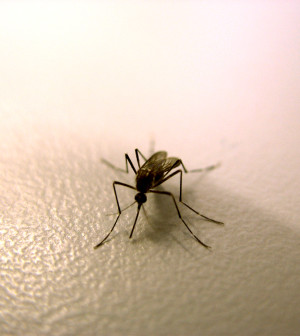

People who spend lots of time outdoors in the summer need to be careful about insect bites, an expert says.
Certain insects, such as ticks and mosquitoes, may be carriers of disease, including Lyme disease and Rocky Mountain spotted fever, said Dr. George Ruggiero, chief of family medicine and director of medical education at Peconic Bay Medical Center in New York.
Anyone who develops headache, fever, chills and aches after flu season ends should consider the possibility that they’ve been bitten, he said. People who develop a rash should also be seen by a doctor, he added.
“A combination of education and taking the right precautions are the best ways to prevent mosquito- and tick-borne diseases,” Ruggiero said in a medical center news release. “Always be cognizant of your surroundings and diligent in your self-examination in order to prevent any serious reactions.”
There are other steps people can take to protect themselves from insect bites in the summer, such as:
- Cover up. Wearing long sleeves and pants makes it more difficult for insects to bite. Pants can also be tucked into socks for added protection. Once back inside, do a “tick check.”
- Apply bug spray. DEET effectively repels both mosquitoes and ticks. Permethrin works, too, but may only be applied to clothes. Picaridin is another bug repellent, but only protects against mosquitoes.
- Consider the yard. Fences can prevent insect-carrying deer and rodents from running through your yard, where they can drop ticks and mosquitoes. In some cases, spraying yards to control ticks and mosquitoes can help.
- Protect pets. Talk to a vet about the best way to prevent bites from ticks and other insects. Protecting pets will also help ensure they don’t bring insects into the home.
- Check the environment. While participating in any outdoor activity, it’s important to consider the likelihood that deer or other rodents live in the area. Ticks will be lurking anywhere these animals roam.
Anyone who does find a tick on them should take it off. The best way to remove the insect is with a good pair of tweezers, Ruggiero said. Grab the tick as close to the skin as possible and lift it slowly and steadily, he advised.
More information
The U.S. Centers for Disease Control and Prevention provides more summer safety tips.
Source: HealthDay
Copyright © 2026 HealthDay. All rights reserved.
Related
-
 Navigating Your Midlife Crisis: Embracing New Possibilities
A midlife crisis can open doors to personal growth...
- December 4, 2025
-
 Want A Happier Hospital? Hire More Nurses, Study Says
Adding even a few extra nurses can dramatically reduce...
- November 20, 2025
-
 Plasma Treatment Shows Promise For Menopause Symptoms Among Breast Cancer Survivors
Plasma infusions may help breast cancer survivors avoid genital...
- November 20, 2025
-
 Self-Hypnosis Can Thwart Hot Flashes
Self-hypnosis might help some women in menopause find relief...
- November 14, 2025






