- How Blue Light Impacts Your Sleep Quality
- Comparing Whey and Plant-Based Protein: Which is Best?
- How Long Does Nicotine Remain in Your System?
- The Best Time of Day to Drink Bone Broth to Maximize Health Benefits
- 8 Ways to Increase Dopamine Naturally
- 7 Best Breads for Maintaining Stable Blood Sugar
- Gelatin vs. Collagen: Which is Best for Skin, Nails, and Joints?
- The Long-Term Effects of Daily Turmeric Supplements on Liver Health
- Could Your Grocery Store Meat Be Causing Recurring UTIs?
- Are You Making This Expensive Thermostat Error This Winter?
When Antibiotics Are Needed
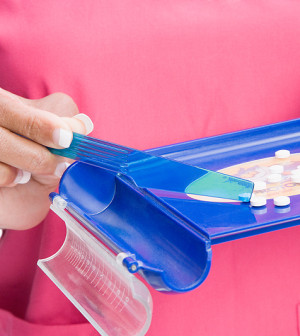
Overuse of antibiotics is one of the main causes of antibiotic resistance, a major public health threat in the United States.
In an effort to combat the problem, the eighth annual “Get Smart About Antibiotics Week” is being sponsored by the U.S. Centers for Disease Control and Prevention and other partners from Nov. 16-22.
“All use of antibiotics leads, eventually, to resistant bacteria, where those antibiotics just won’t work anymore. And overuse — unnecessary use for viruses or colds — leads to resistance that much faster,” said Dr. Saul Hymes, a specialist in pediatric infectious diseases at Stony Brook Children’s Hospital, in Stony Brook, N.Y.
People must understand that antibiotics cure bacterial infections, not viral infections such as colds or the flu, he said in a hospital news release.
In most cases, symptoms of upper respiratory infections — including sore throats, ear and sinus infections, colds and bronchitis — can be eased by getting plenty of rest; drinking enough fluids; avoiding smoking and secondhand smoke; and taking acetaminophen or ibuprofen to relieve pain or fever.
Soothe a sore throat with ice chips, popsicles, lozenges (only for older children and adults), warm beverages, or by gargling with salt water, Hymes recommended.
A warm compress over the nose and forehead can help relieve sinus pressure. For older children and adults, other options include a decongestant or saline nasal spray, or breathing in steam from the shower or a bowl of hot water.
Over-the-counter medications can help. Consult with your doctor or pharmacist about their use.
If your doctor does prescribe antibiotics, it’s important to take every dose. Never share antibiotics, never use them without a prescription, and never keep extra antibiotics “for the next time,” Hymes said.
You can reduce your family’s chances of needing antibiotics by taking preventive measures such as getting recommended vaccinations, maintaining good hand hygiene and covering your mouth and nose when you cough or sneeze, he added.
More information
The U.S. Centers for Disease Control and Prevention has more about antibiotic resistance.
Source: HealthDay
Copyright © 2026 HealthDay. All rights reserved.
Related
-
 Navigating Your Midlife Crisis: Embracing New Possibilities
A midlife crisis can open doors to personal growth...
- December 4, 2025
-
 Want A Happier Hospital? Hire More Nurses, Study Says
Adding even a few extra nurses can dramatically reduce...
- November 20, 2025
-
 Plasma Treatment Shows Promise For Menopause Symptoms Among Breast Cancer Survivors
Plasma infusions may help breast cancer survivors avoid genital...
- November 20, 2025
-
 Self-Hypnosis Can Thwart Hot Flashes
Self-hypnosis might help some women in menopause find relief...
- November 14, 2025