
- How Blue Light Impacts Your Sleep Quality
- Comparing Whey and Plant-Based Protein: Which is Best?
- How Long Does Nicotine Remain in Your System?
- The Best Time of Day to Drink Bone Broth to Maximize Health Benefits
- 8 Ways to Increase Dopamine Naturally
- 7 Best Breads for Maintaining Stable Blood Sugar
- Gelatin vs. Collagen: Which is Best for Skin, Nails, and Joints?
- The Long-Term Effects of Daily Turmeric Supplements on Liver Health
- Could Your Grocery Store Meat Be Causing Recurring UTIs?
- Are You Making This Expensive Thermostat Error This Winter?
New Study Links COVID in Pregnancy to Autism Risk in Children
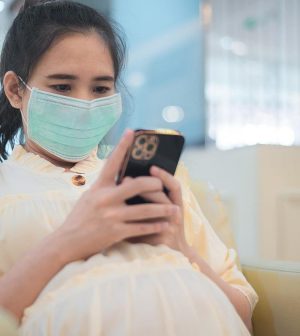
Kids born to women who were infected with COVID-19 during pregnancy were more likely to be diagnosed with autism or other developmental delays by age 3, a new study found.
The research, published last week in the journal Obstetrics & Gynecology, looked at more than 18,100 births in Massachusetts from early 2020 through mid-2021, before COVID-19 vaccines were widely available.
Of the 861 pregnant women who tested positive for COVID-19, 140, or 16.3%, later had a child who was diagnosed with a neurological condition such as autism, speech delay or motor delay. In comparison, only 9.7% of the over 17,000 non-COVID-19 pregnancies resulted in a neurodevelopmental diagnosis.
The researchers noted the strongest association when mothers were infected during their third-trimester and in male offspring
Even though the risk was higher, the overall chance of a child developing autism was still low, the researchers stressed.
“It’s not that every pregnant woman with covid-19 in pregnancy needs to think that her child is going to have autism,” study co-author Dr. Andrea Edlow of Mass General Hospital and Harvard Medical School in Boston, told The Washington Post. “Overall, the absolute risk is not extremely high.”
Because this was an observational study, the findings do not prove that COVID-19 directly causes autism. But the link adds to growing evidence that infections during pregnancy can affect a baby’s developing brain.
Health experts say the study reinforces the importance of vaccination during pregnancy, especially as COVID-19 vaccination rates have dropped in the years since.
“This is particularly important in the current climate of vaccine hesitancy,” Mary Ann Comunale, an associate professor at Drexel University in Philadelphia who was not involved in the study, told The Post.
Among the women included in the research, few had been vaccinated because shots were not yet widely available. The authors say future studies are needed to determine the risk for women who received vaccinations.
More information
The Mayo Clinic has more on autism.
SOURCES: The Washington Post, Oct. 30, 2025; Obstetrics & Gynecology, Oct. 30, 2025
Source: HealthDay
Copyright © 2026 HealthDay. All rights reserved.
Related
-
 Navigating Your Midlife Crisis: Embracing New Possibilities
A midlife crisis can open doors to personal growth...
- December 4, 2025
-
 Want A Happier Hospital? Hire More Nurses, Study Says
Adding even a few extra nurses can dramatically reduce...
- November 20, 2025
-
 Plasma Treatment Shows Promise For Menopause Symptoms Among Breast Cancer Survivors
Plasma infusions may help breast cancer survivors avoid genital...
- November 20, 2025
-
 Self-Hypnosis Can Thwart Hot Flashes
Self-hypnosis might help some women in menopause find relief...
- November 14, 2025






