
- How Blue Light Impacts Your Sleep Quality
- Comparing Whey and Plant-Based Protein: Which is Best?
- How Long Does Nicotine Remain in Your System?
- The Best Time of Day to Drink Bone Broth to Maximize Health Benefits
- 8 Ways to Increase Dopamine Naturally
- 7 Best Breads for Maintaining Stable Blood Sugar
- Gelatin vs. Collagen: Which is Best for Skin, Nails, and Joints?
- The Long-Term Effects of Daily Turmeric Supplements on Liver Health
- Could Your Grocery Store Meat Be Causing Recurring UTIs?
- Are You Making This Expensive Thermostat Error This Winter?
Parents’ Clothing Can Infect Newborns in Intensive Care

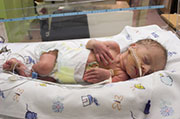
The clothing of parents and visitors may spread dangerous respiratory infections to infants in an neonatal intensive care unit (NICU), a Australian study suggests.
Four percent of swabs taken from the personal clothing of caregivers and visitors in the NICU at Royal Hospital for Women in Sydney had detectable respiratory syncytial virus (RSV), researchers found. RSV is the leading cause of respiratory-related hospitalizations among premature babies, the researchers said.
The investigators also found RSV on 9 percent of high-touch areas in the NICU, including nurses’ computers, chairs next to infants’ beds and bed rails. RSV was not detected on the hands of doctors, nurses or visitors in the NICU.
“Though the detection rate is low, personal clothing of caregivers/visitors do get contaminated with RSV,” study author Nusrat Homaira, of the University of New South Wales, said in an American Society for Microbiology news release.
Currently, caregivers and visitors aren’t required to change their clothes when they enter the neonatal intensive care unit, the researchers said.
“There is a need for further research to evaluate how long the virus remains infectious on personal clothing, which will have policy implications in terms of need for use of separate gowns by the visitors while they are in the NICU,” Homaira said.
The study was presented Monday at the International Conference on Emerging and Infectious Diseases, in Atlanta. Studies presented at meetings should be considered preliminary until published in a peer-reviewed medical journal.
More information
The U.S. National Institute of Allergy and Infectious Diseases has more about RSV.
Source: HealthDay
Copyright © 2026 HealthDay. All rights reserved.
Related
-
 Navigating Your Midlife Crisis: Embracing New Possibilities
A midlife crisis can open doors to personal growth...
- December 4, 2025
-
 Want A Happier Hospital? Hire More Nurses, Study Says
Adding even a few extra nurses can dramatically reduce...
- November 20, 2025
-
 Plasma Treatment Shows Promise For Menopause Symptoms Among Breast Cancer Survivors
Plasma infusions may help breast cancer survivors avoid genital...
- November 20, 2025
-
 Self-Hypnosis Can Thwart Hot Flashes
Self-hypnosis might help some women in menopause find relief...
- November 14, 2025






