
- How Blue Light Impacts Your Sleep Quality
- Comparing Whey and Plant-Based Protein: Which is Best?
- How Long Does Nicotine Remain in Your System?
- The Best Time of Day to Drink Bone Broth to Maximize Health Benefits
- 8 Ways to Increase Dopamine Naturally
- 7 Best Breads for Maintaining Stable Blood Sugar
- Gelatin vs. Collagen: Which is Best for Skin, Nails, and Joints?
- The Long-Term Effects of Daily Turmeric Supplements on Liver Health
- Could Your Grocery Store Meat Be Causing Recurring UTIs?
- Are You Making This Expensive Thermostat Error This Winter?
Sex May Boost Female Immune System to Aid Fertility
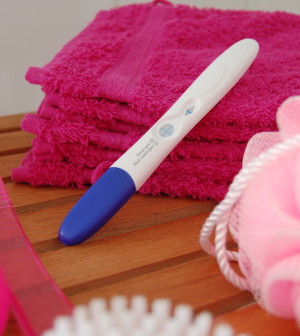

Sex at any time in a woman’s monthly cycle may trigger immune system changes that boost the likelihood of getting pregnant, a new study suggests.
The findings could eventually prove useful for couples trying to conceive, researchers from Indiana University at Bloomington said.
“It’s a common recommendation that partners trying to have a baby should engage in regular intercourse to increase the woman’s changes of getting pregnant — even during so-called ‘nonfertile’ periods — although it’s unclear how this works,” said lead investigator Tierney Lorenz, from the university’s Kinsey Institute.
“This research is the first to show that the sexual activity may cause the body to promote types of immunity that support conception,” she said in a university news release. “It’s a new answer to an old riddle: How does sex that doesn’t happen during the fertile window still improve fertility?”
The findings are based on information from 30 women who participated in the Kinsey Institute’s Women, Immunity and Sexual Health Study. Half of the women were sexually active, half were abstinent.
Previous studies found that immune system changes occur during pregnancy, after childbirth and across the menstrual cycle, but this is the first research to show that sexual activity affects immune function, the researchers said.
“The female body needs to navigate a tricky dilemma,” Lorenz said. “In order to protect itself, the body needs to defend against foreign invaders. But if it applies that logic to sperm or a fetus, then pregnancy can’t occur. The shifts in immunity that women experience may be a response to this problem.”
The researchers found clear differences in immune system regulation between women who are sexually active and those who are not.
“We’re actually seeing the immune system responding to a social behavior: sexual activity,” Lorenz said. “The sexually active women’s immune systems were preparing in advance to the mere possibility of pregnancy.”
The researchers also said these findings could potentially have an impact on treatments for autoimmune disorders in the future.
The findings were published recently in the journals Fertility and Sterility and Physiology and Behavior.
More information
The U.S. Office on Women’s Health has more about trying to get pregnant.
Source: HealthDay
Copyright © 2026 HealthDay. All rights reserved.
Related
-
 Navigating Your Midlife Crisis: Embracing New Possibilities
A midlife crisis can open doors to personal growth...
- December 4, 2025
-
 Want A Happier Hospital? Hire More Nurses, Study Says
Adding even a few extra nurses can dramatically reduce...
- November 20, 2025
-
 Plasma Treatment Shows Promise For Menopause Symptoms Among Breast Cancer Survivors
Plasma infusions may help breast cancer survivors avoid genital...
- November 20, 2025
-
 Self-Hypnosis Can Thwart Hot Flashes
Self-hypnosis might help some women in menopause find relief...
- November 14, 2025






