
- How Blue Light Impacts Your Sleep Quality
- Comparing Whey and Plant-Based Protein: Which is Best?
- How Long Does Nicotine Remain in Your System?
- The Best Time of Day to Drink Bone Broth to Maximize Health Benefits
- 8 Ways to Increase Dopamine Naturally
- 7 Best Breads for Maintaining Stable Blood Sugar
- Gelatin vs. Collagen: Which is Best for Skin, Nails, and Joints?
- The Long-Term Effects of Daily Turmeric Supplements on Liver Health
- Could Your Grocery Store Meat Be Causing Recurring UTIs?
- Are You Making This Expensive Thermostat Error This Winter?
Vitamin D, Calcium Don’t Reduce Menopause Symptoms
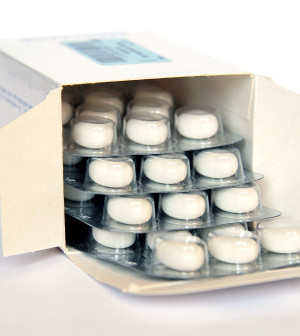

Vitamin D and calcium supplements don’t help ease the symptoms of menopause, a new study says.
The research is part of the Women’s Health Initiative, a long-term clinical trial of menopausal women, and included more than 34,000 U.S. women between the ages of 50 and 79. The women were followed for an average of nearly six years to track more than 20 menopausal symptoms, such as hot flashes, fatigue, sleep problems and emotional problems.
Half of the women took daily vitamin D and calcium supplements while the others took placebo pills. The average number of menopausal symptoms in both groups was the same — slightly more than six.
Also, both groups had similar scores on overall measures of sleep problems, fatigue and emotional well-being, according to the study.
The results were published June 1 in the journal Maturitas.
“Our study suggests that women should not rely on vitamin D and calcium supplements to relieve menopausal symptoms, but there are important caveats,” lead author Dr. Erin LeBlanc, an investigator with the Kaiser Permanente Center for Health Research in Portland, Oregon, said in a Kaiser news release.
“The average age of the women at the start of our study was 64, but the average age of menopause is 51, and it’s around that time that the most severe symptoms usually occur,” she noted.
“If we want to understand vitamin D’s effects on the most severe symptoms of menopause, we need to do a study in younger women,” LeBlanc concluded.
In a previous study, LeBlanc found no significant link between low levels of vitamin D in women’s blood and menopausal symptoms.
More information
The U.S. National Institute on Aging has more about menopause.
Source: HealthDay
Copyright © 2026 HealthDay. All rights reserved.
Related
-
 Navigating Your Midlife Crisis: Embracing New Possibilities
A midlife crisis can open doors to personal growth...
- December 4, 2025
-
 Want A Happier Hospital? Hire More Nurses, Study Says
Adding even a few extra nurses can dramatically reduce...
- November 20, 2025
-
 Plasma Treatment Shows Promise For Menopause Symptoms Among Breast Cancer Survivors
Plasma infusions may help breast cancer survivors avoid genital...
- November 20, 2025
-
 Self-Hypnosis Can Thwart Hot Flashes
Self-hypnosis might help some women in menopause find relief...
- November 14, 2025






