
Don't Miss
- How Blue Light Impacts Your Sleep Quality
- Comparing Whey and Plant-Based Protein: Which is Best?
- How Long Does Nicotine Remain in Your System?
- The Best Time of Day to Drink Bone Broth to Maximize Health Benefits
- 8 Ways to Increase Dopamine Naturally
- 7 Best Breads for Maintaining Stable Blood Sugar
- Gelatin vs. Collagen: Which is Best for Skin, Nails, and Joints?
- The Long-Term Effects of Daily Turmeric Supplements on Liver Health
- Could Your Grocery Store Meat Be Causing Recurring UTIs?
- Are You Making This Expensive Thermostat Error This Winter?
Health Tip: Dealing With a Bee Sting
By LadyLively on June 26, 2015
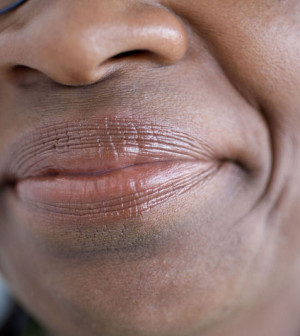

Most bee stings involve less-than-severe allergic reactions that don’t require emergency medical care.
To treat most bee stings, the Mayo Clinic advises:
- Use tweezers to remove the stinger from the skin as quickly as you can. The faster it’s removed, the less venom is likely to enter the body.
- Use soap and water to gently cleanse the area.
- Sooth swelling and pain with a cold compress or ice pack.
- If the area is swollen, itchy or red, apply calamine lotion.
- Take an antihistamine containing diphenhydramine or chlorpheniramine if the itching or swelling is uncomfortable.
- Don’t scratch the affected area. Doing so can lead to an infection.
Source: HealthDay
Copyright © 2026 HealthDay. All rights reserved.
Related
-
 Navigating Your Midlife Crisis: Embracing New Possibilities
A midlife crisis can open doors to personal growth...
- December 4, 2025
-
 Want A Happier Hospital? Hire More Nurses, Study Says
Adding even a few extra nurses can dramatically reduce...
- November 20, 2025
-
 Plasma Treatment Shows Promise For Menopause Symptoms Among Breast Cancer Survivors
Plasma infusions may help breast cancer survivors avoid genital...
- November 20, 2025
-
 Self-Hypnosis Can Thwart Hot Flashes
Self-hypnosis might help some women in menopause find relief...
- November 14, 2025






