
- How Blue Light Impacts Your Sleep Quality
- Comparing Whey and Plant-Based Protein: Which is Best?
- How Long Does Nicotine Remain in Your System?
- The Best Time of Day to Drink Bone Broth to Maximize Health Benefits
- 8 Ways to Increase Dopamine Naturally
- 7 Best Breads for Maintaining Stable Blood Sugar
- Gelatin vs. Collagen: Which is Best for Skin, Nails, and Joints?
- The Long-Term Effects of Daily Turmeric Supplements on Liver Health
- Could Your Grocery Store Meat Be Causing Recurring UTIs?
- Are You Making This Expensive Thermostat Error This Winter?
FDA May Ease Warning on Hormone Therapy for Menopause Symptoms
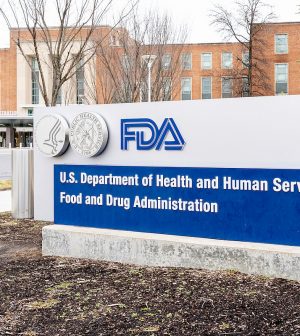
The U.S. Food and Drug Administration (FDA) is reviewing whether to change the warning label on hormone replacement therapy (HRT) drugs used to treat menopause symptoms, a move many experts say is long overdue.
“We are in serious discussions now about what to do about the black box warning, and I think you’ll hear something on it very soon,” FDA Commissioner Dr. Martin Makary said on CNN’s Chasing Life podcast with Dr. Sanjay Gupta.
A black box warning is the FDA’s most stringent for a prescription drug or medical device.
Since 2003, it has appeared on all estrogen menopause drugs. It warns of risks such as breast and uterine cancer, blood clots, stroke and dementia in women over 65.
The decision followed findings from the Women’s Health Initiative, a 2002 study that linked estrogen use in older women to certain health risks.
However, later reviews found those results may not apply to younger women who begin therapy closer to starting menopause.
Since the label was added, prescriptions for hormone therapy have dropped by more than 70%. About 1 in 25 postmenopausal women now use HRT, down from 1 in 4 in the late 1990s, one study showed.
Many experts say the warning has led to unnecessary fear and untreated symptoms such as hot flashes, night sweats and poor sleep.
“It’s really a tragedy. It’s maybe one of the greatest screw-ups of modern medicine,” Makary said. “It’s resulted in 50 million women being denied this incredible therapy.”
In July, an FDA advisory panel of gynecologists and endocrinologists urged the agency to remove the warning, especially for certain forms of estrogen that do not enter the bloodstream like low-dose creams, tablets or rings used to treat dryness and urinary infections.
Dr. JoAnn Manson of Harvard Medical School said the current warning does more harm than good.
“It scares them away. And even after they purchase the product, they just don’t take it,” Manson told CNN.
Other experts agreed that the risk is not the same across all products. Estrogen pills may carry higher risks than patches or creams, which research suggests may be safer for the heart.
Still, some experts caution that more research is needed before promoting long-term HRT use to prevent conditions like heart disease, Alzheimer’s or osteoporosis.
“Women have to talk to their physicians about hormone replacement therapy before they believe in all the hype that’s currently ongoing, because so much of it is hype,” Dr. Leslie Cho of the Cleveland Clinic told CNN.
More information
The Menopause Society has more on hormone therapy.
SOURCE: CNN, Oct. 2, 2025
Source: HealthDay
Copyright © 2026 HealthDay. All rights reserved.
Related
-
 Navigating Your Midlife Crisis: Embracing New Possibilities
A midlife crisis can open doors to personal growth...
- December 4, 2025
-
 Want A Happier Hospital? Hire More Nurses, Study Says
Adding even a few extra nurses can dramatically reduce...
- November 20, 2025
-
 Plasma Treatment Shows Promise For Menopause Symptoms Among Breast Cancer Survivors
Plasma infusions may help breast cancer survivors avoid genital...
- November 20, 2025
-
 Self-Hypnosis Can Thwart Hot Flashes
Self-hypnosis might help some women in menopause find relief...
- November 14, 2025






